
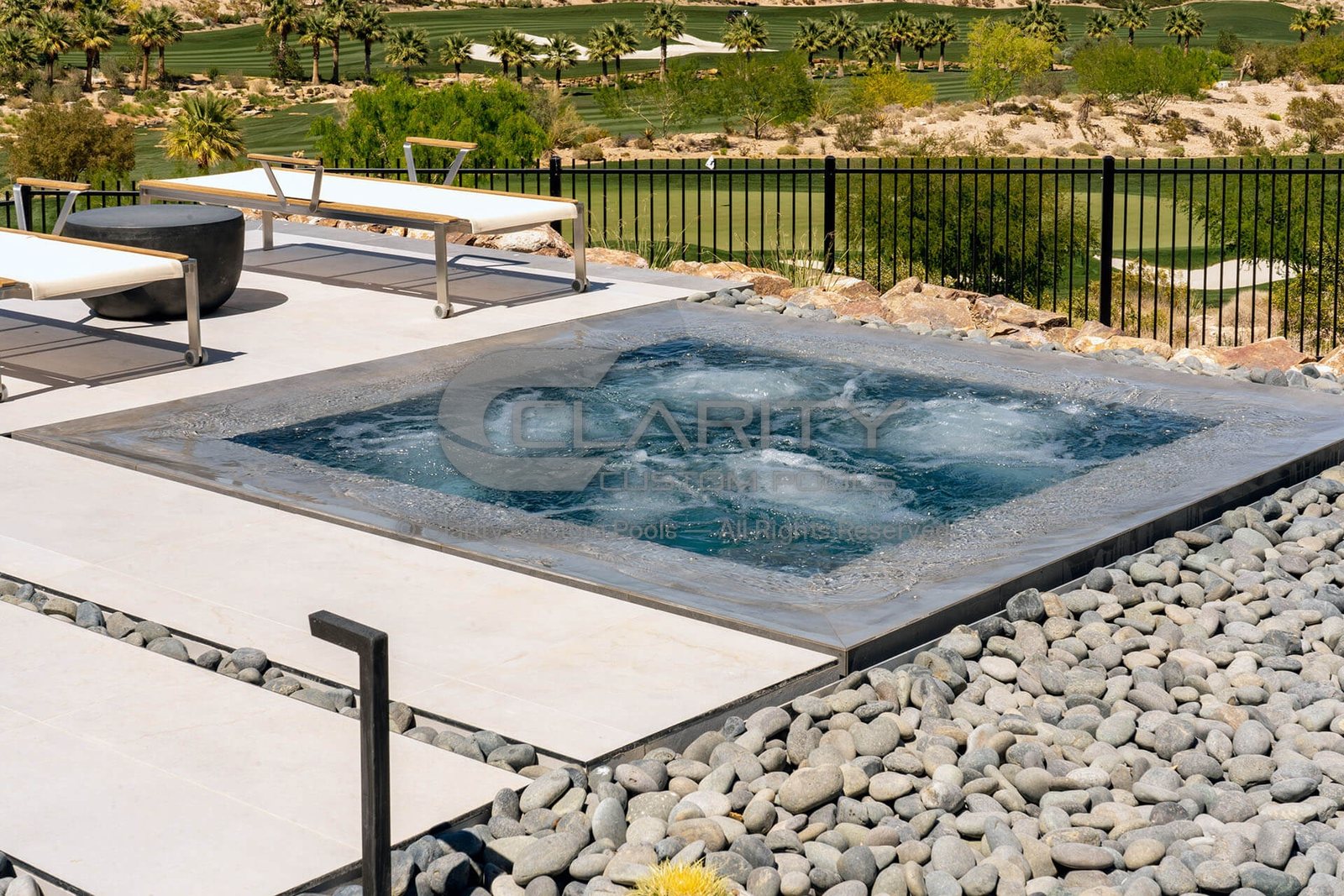
Utah’s outdoor swim season is short, and cool spring and fall evenings can make an unheated pool feel too cold long before the calendar says summer is over. The right heating setup, paired with a good cover, can add weeks of comfortable swimming on both ends of the season and keep a spa ready on chilly nights.
Gas Heater or Heat Pump?
Hayward explains that there are two main ways to heat pool and spa water, and each fits a different kind of use. A gas heater, running on natural gas or propane, is the quickest way to heat a pool or spa, maintains temperature regardless of the weather, and is ideal for intermittent use. An electric heat pump pulls heat from the surrounding air, is ideal for daily swimming and maintaining a set temperature, and Hayward says it can reduce energy costs by up to 70% compared with a gas heater.
Why Utah Weather Matters
Because a heat pump draws its heat from the air, it works best when the air is warm. Hayward’s HeatPro VS sell sheet lists a minimum operating temperature of 40°F, and its rated heating output drops as the air gets cooler. That makes a heat pump a strong fit for holding a steady temperature through late spring, summer and early fall. When Utah nights turn cold, or when you want to heat a spa fast, a gas heater does the job regardless of the weather.
The Combination Approach
Hayward describes pairing a gas heater with a heat pump as its preferred setup for speed to heat and an extended season. The heat pump handles the pool most of the time, and the gas heater takes over when the temperature drops or quickly raises the spa on demand. With Hayward automation, both can be controlled from your phone.
Don’t Skip the Cover
Heating only helps if you keep the heat in the pool. The U.S. Department of Energy notes that evaporation is by far the largest source of pool energy loss, and that pool covers can reduce evaporation and save 50–70% of pool heating costs. The EPA adds that solid pool covers can reduce evaporation by more than 90 percent when in use.
Questions to Ask Before You Choose
- How often will you swim: daily through the season, or mostly weekends and spa nights?
- Do you have natural gas at the house, or would a gas heater need propane?
- Is there room at the equipment pad with good airflow for a heat pump? Hayward says heat pumps perform best in direct sunlight with ample air intake.
- Do you want one system to heat both the pool and an attached spa?
- What kind of cover will you realistically use every day?
Plan It Into Your Build
Heating is easiest to get right when it’s designed in from the start, with the gas line, electrical service and equipment pad sized for it. Clarity Custom Pools installs Hayward equipment and serves homeowners from Spanish Fork to North Ogden, and from Park City and Heber City to Tooele, Eagle Mountain and Saratoga Springs.
If you’d like to talk it through, call Clarity Custom Pools at 801-839-4456 or book a consultation. We’ll tell you honestly whether we’re the right builder for your project. Utah DOPL #14308264-5501.